May 21, 2024
How Metal Tariffs Could Impact Texas Buyers

Recent developments in U.S. and Mexican tariff policies, while aimed to protect domestic industries, could pose potential cost increases and supply chain challenges for buyers of steel and aluminum in Texas.
Jonathan Dunnam, the Customer Operations Manager at SteelNow, has identified this as a key concern during his discussions with customers.
Below are brief summaries of each, followed by some potential impact to metal buyers.
Section 201 Tariffs
The White House plans to triple Section 201 tariffs on steel and aluminum from the current 7.5%.
This escalation aligns with efforts to protect American workers by imposing higher tariffs on imports.
Section 301 Tariffs
President Biden has directed an increase in tariffs on $18 billion worth of Chinese imports under Section 301 of the Trade Act of 1974.
This action is a response to China's unfair trade practices, including technology transfer, intellectual property theft, and market flooding with low-cost exports.
Mexico's Tariff Actions
As of April 22, 2024, Mexico announced permanent tariffs on over 500 product categories, including various steel and aluminum products.
Tariffs on Chinese goods can go up to 50%, applied to countries without a free trade agreement with Mexico.
Exceptions exist for certain programs and agreements, offering some relief depending on specific circumstances.
Potential Tariff Impacts on Texas Metal Buyers
Increased Costs:
Tripling Section 201 tariffs will raise the cost of imported steel and aluminum, impacting purchasing prices for Texas buyers reliant on these imports.
Higher Section 301 tariffs on Chinese imports will further elevate costs for products sourced from China, including raw materials and finished goods.
Supply Chain Adjustments:
Texas buyers may need to find alternative suppliers from countries not heavily affected by the new tariffs, potentially shifting to domestic or non-tariffed international sources.
Adjusting supply chains could incur additional logistics and procurement costs.
Competitive Pressure:
Local steel and aluminum producers might benefit from reduced competition from lower-priced imports, potentially stabilizing domestic prices.
However, downstream industries in Texas could face higher production costs, affecting their competitiveness in global markets.
Impact of Mexico's Tariffs:
Texas companies dealing with Mexican partners or importing Mexican goods may see varying impacts based on the nature of their trade agreements.
Businesses without free trade agreements with Mexico could face higher costs for specific steel and aluminum products.
SteelNow Help
Amid these changes, SteelNow can provide support to metal buyers by leveraging competitive pricing and an extensive supplier network to mitigate the effects of rising tariffs.
At SteelNow, we prioritize transparency in our pricing approach, focusing on delivering exceptional value through time savings and convenience.
While securing the most competitive prices can sometimes be challenging, our model is designed to save you valuable time in the metal procurement process. Instead of spending hours searching for the lowest price, SteelNow swiftly identifies the best options, enabling you to concentrate on more critical project aspects.
Our strength lies in our robust network of nearly 60 suppliers, granting us significant purchasing power to negotiate favorable terms and secure competitive rates.
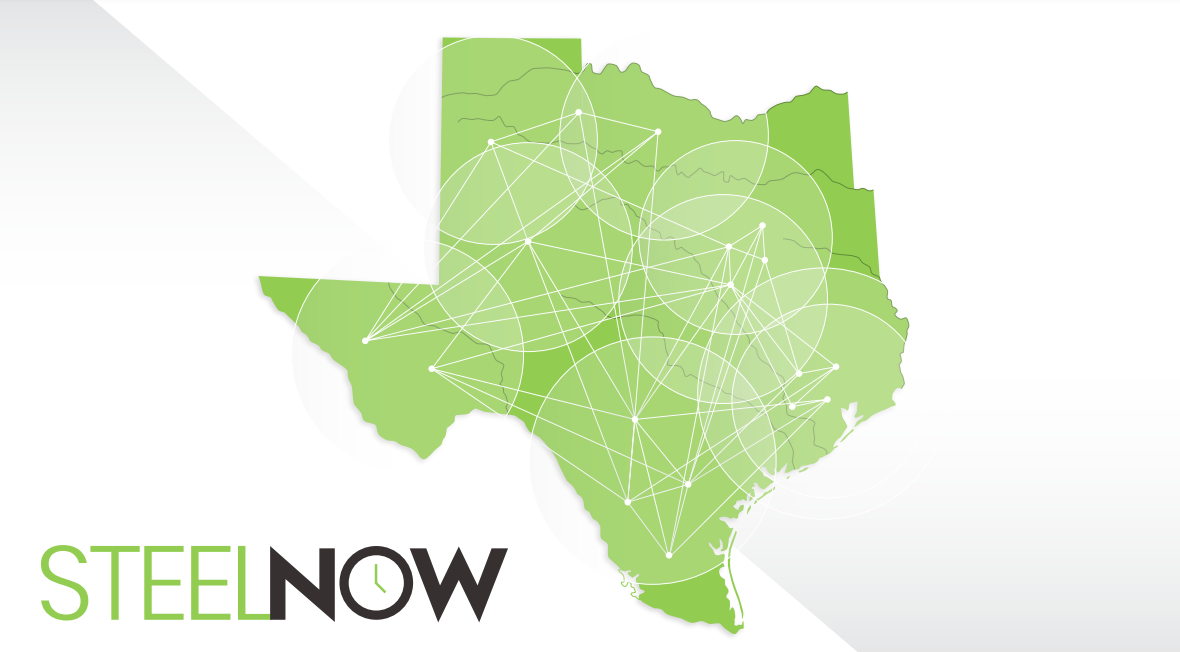
By collaborating directly with our suppliers, we eliminate unnecessary intermediaries and associated markups, offering a transparent and cost-effective solution. This purchasing power allows us to pass on cost savings to you, ensuring you benefit from favorable rates without compromising on quality.
Working with a diverse range of suppliers also means we can source materials from various channels, optimizing for both quality and cost-effectiveness.
This approach helps us tailor solutions that align with your specific needs, providing you with competitive pricing and a time-saving experience even in a challenging market environment.